840 Windemere Oak Way NW Lilburn,GA


Utilities Estimating Services
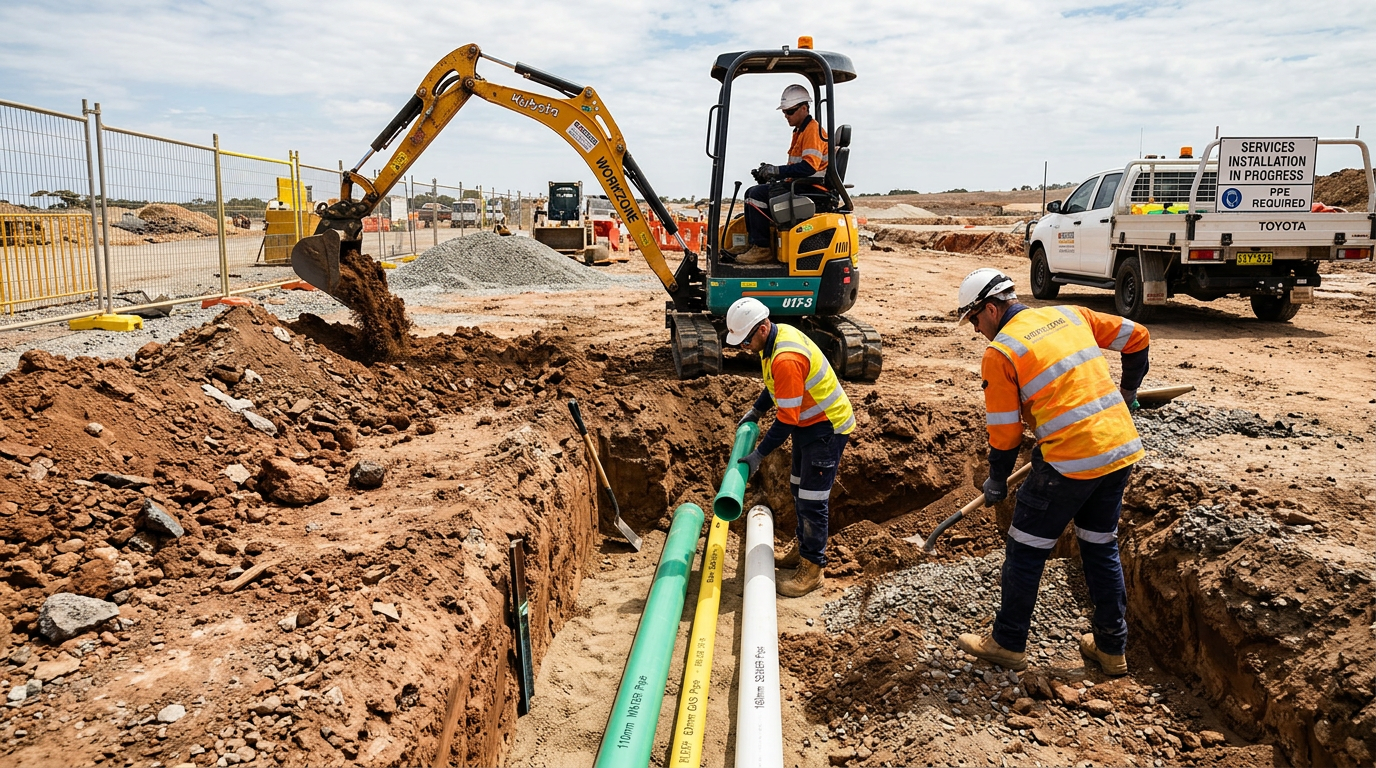
Utilities estimating helps contractors determine the expected cost of underground and site utility systems before construction begins. The scope can include domestic water, sanitary sewer, storm drainage, natural gas, electrical conduit, telecommunications and other infrastructure required to connect a building or development to essential services.
Our utilities estimating services can support commercial, residential, industrial, municipal and infrastructure projects. Civil drawings, utility plans, profiles and project specifications are reviewed to identify pipe runs, conduits, structures, valves, fittings, connections and associated site work.
Accurate utility quantities help contractors prepare better procurement plans, understand excavation requirements and coordinate wet and dry utilities before installation. This reduces the likelihood of missing service connections, structures or supporting materials during bidding.
Key Factors That Influence Utility Costs
- Utility Type: Water, sanitary sewer, storm drainage, gas, electrical and communication systems each require different pipe, conduit, fittings and installation methods.
- Pipe and Conduit Materials: PVC, HDPE, ductile iron, concrete pipe, electrical conduit and other utility materials vary in price based on size, pressure class and project specifications.
- Excavation and Trenching: Utility depth, trench width, soil conditions, bedding, shoring and dewatering can significantly affect excavation and installation costs.
- Structures and Appurtenances: Manholes, catch basins, hydrants, valves, meters, pull boxes, transformers and other utility structures must be included along with the main service runs.
- Site Conditions: Existing utilities, traffic restrictions, groundwater, rock excavation and limited access can increase labor, equipment and restoration requirements.
- Permits and Utility Coordination: Inspections, utility-company requirements, testing, connection charges and authority approvals can influence the final installed cost.
Utilities Takeoff Services
Utilities takeoffs provide organized measurements for the underground infrastructure shown on civil and site plans. Quantities can include water mains, sanitary sewer, storm piping, gas lines, electrical conduit, communication duct, laterals and service connections.
Detailed takeoffs can also account for fittings, valves, manholes, catch basins, hydrants, cleanouts, pull boxes, trenching, bedding and other components required to install complete utility systems.
When these quantities are combined with material pricing, excavation, equipment, labor, testing and restoration costs, contractors gain a more complete understanding of the expected utility package and can prepare stronger project bids.
Why Choose DesignPro Estimating?
- Detailed Utility Review: Civil drawings, utility profiles and specifications are reviewed carefully to identify service routes, structures and connection points.
- Accurate Linear Quantities: Pipe and conduit runs are organized by size, material and utility type to support dependable purchasing and pricing.
- Project-Specific Estimates: Each estimate can be developed around the actual site plans, civil drawings and utility requirements provided for the project.
- Better Site Coordination: Clear utility quantities help project teams coordinate excavation, crossings and sequencing between wet and dry utility systems.
- Improved Cost Control: Early visibility into materials, trenching, structures, equipment and labor supports stronger infrastructure budgeting.
- Stronger Bid Preparation: Organized utility quantities provide a more reliable foundation for complete and competitive sitework proposals.
