840 Windemere Oak Way NW Lilburn,GA


Thermal and Moisture Protection Estimating Services
Thermal and moisture protection estimating helps contractors determine the expected cost of insulation, waterproofing, roofing membranes, vapor barriers, air barriers and related building-envelope systems before construction begins. A detailed estimate provides better visibility into the materials and labor required to protect the structure from heat transfer, air leakage and moisture intrusion.
Our thermal and moisture protection estimating services can support commercial, residential, industrial and institutional projects. Architectural details, wall sections, roof plans and specifications are reviewed to identify insulation systems, waterproofing assemblies, sealants, membranes and protective coatings included in the project scope.
Accurate quantities help contractors improve material procurement, coordinate exterior-envelope trades and prepare more dependable budgets while reducing the risk of missed membranes, flashing, sealants or insulation requirements.
Key Factors That Influence Thermal and Moisture Protection Costs
- Insulation Type: Fiberglass, mineral wool, rigid foam, spray foam and other insulation systems vary in cost according to thickness, thermal performance and installation method.
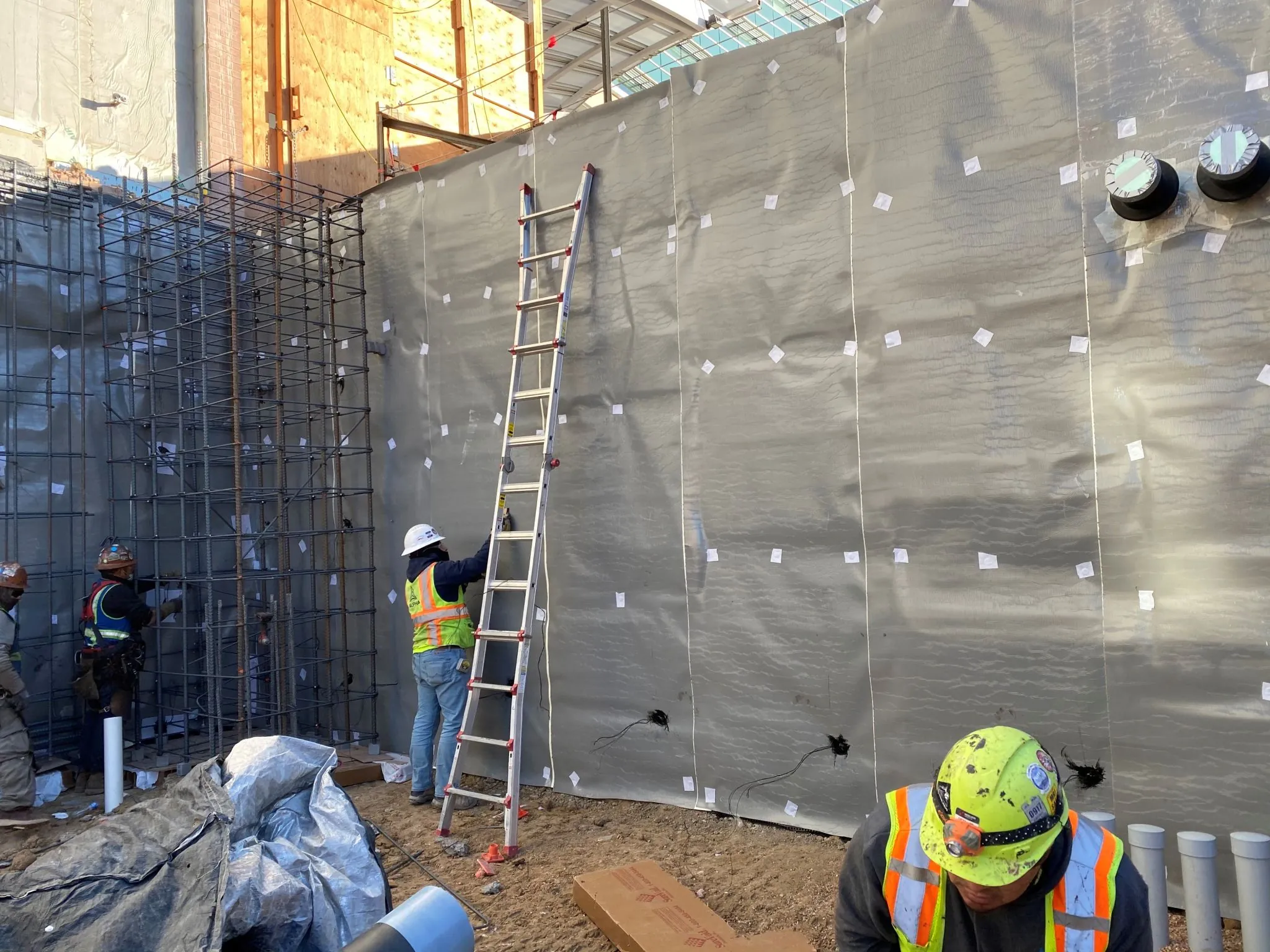
- Waterproofing Systems: Sheet membranes, fluid-applied membranes, below-grade waterproofing and protective coatings require different materials, preparation and installation methods.
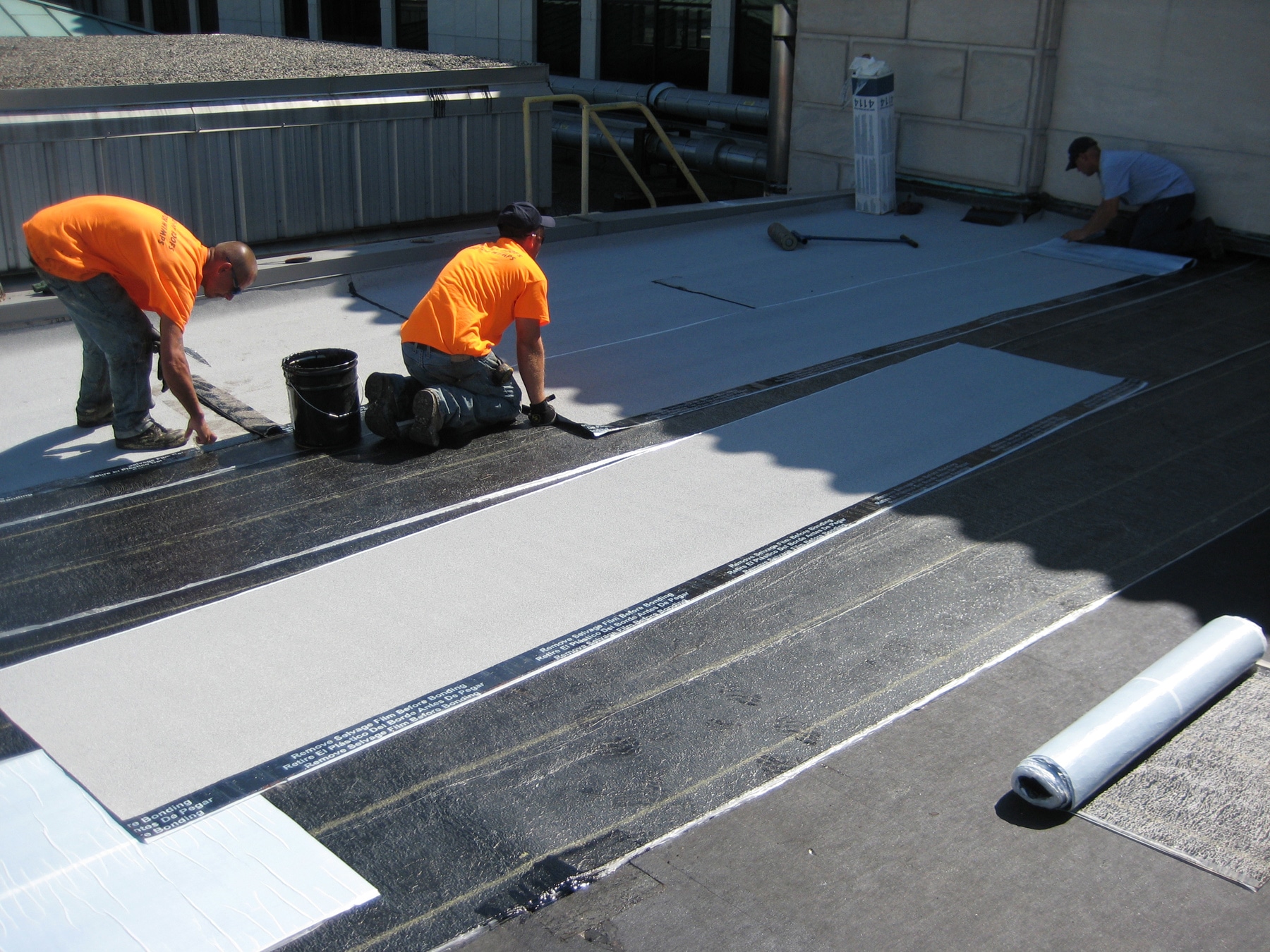
- Roofing and Membranes: EPDM, TPO, PVC, modified bitumen and other roofing membranes can significantly affect the total envelope budget based on system design and roof area.
- Air and Vapor Barriers: Continuous air barriers, vapor retarders, tapes, sealants and transition membranes must be properly quantified around joints, openings and penetrations.
- Installation Labor: Surface preparation, membrane application, insulation placement, flashing, sealing and detailing require skilled labor and can vary based on building height and access.
- Building Exposure: Climate, rainfall, temperature variation, groundwater and exterior exposure can influence the level of thermal and moisture protection required.
Thermal and Moisture Protection Takeoff Services
Thermal and moisture protection takeoffs provide organized measurements for insulation, waterproofing, roofing membranes, vapor barriers, air barriers, sealants and related protective materials shown in the project documents.
Wall areas, roofs, foundations and other protected surfaces can be measured separately according to material type and system requirements. This gives contractors clearer quantities for purchasing and supplier pricing while improving labor planning.
When these quantities are combined with material prices, accessories, surface preparation and installation labor, contractors gain a more complete understanding of the expected building-envelope budget.
Why Choose DesignPro Estimating?
- Detailed Envelope Review: Wall sections, roof plans and specifications are reviewed carefully to identify thermal and waterproofing requirements.
- Accurate Surface Quantities: Organized measurements help contractors calculate membrane, insulation and coating requirements more reliably.
- Project-Specific Estimates: Each estimate can be developed according to the actual envelope assemblies, drawings and specifications issued for the project.
- Reduced Scope Gaps: Detailed review helps identify flashing, sealants, transition membranes and accessories that can be overlooked during manual estimating.
- Better Cost Control: Early visibility into insulation, waterproofing, roofing and labor requirements supports stronger project budgeting.
- Improved Bid Preparation: Reliable envelope quantities provide a stronger foundation for complete and competitive proposals.